
.jpg)
Stakeholders of Safe Production Meet in Adana — the City Empowering Türkiye with Its Agriculture and Industry
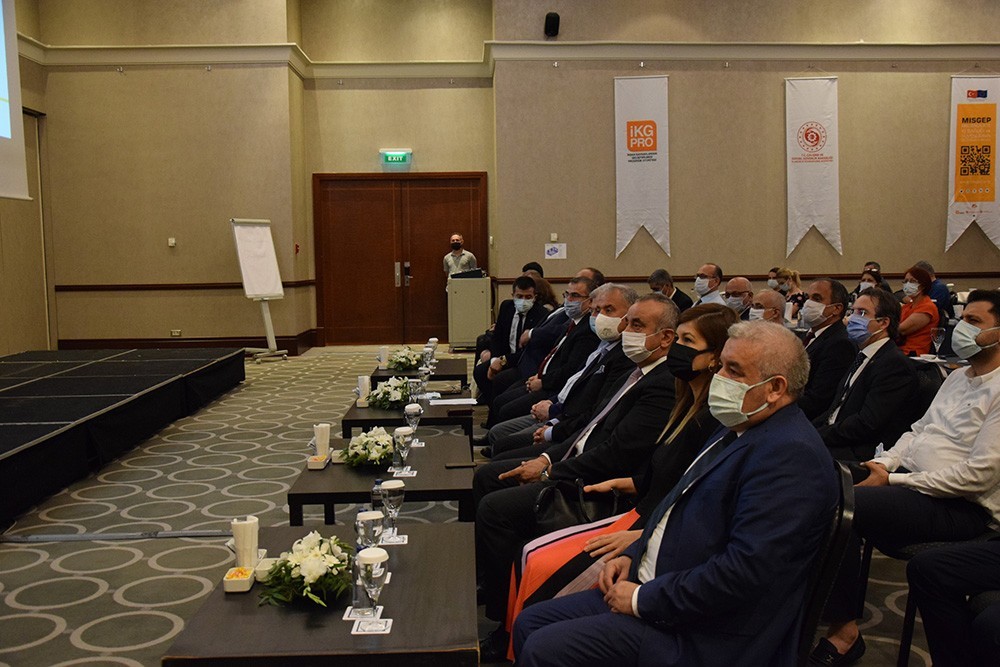
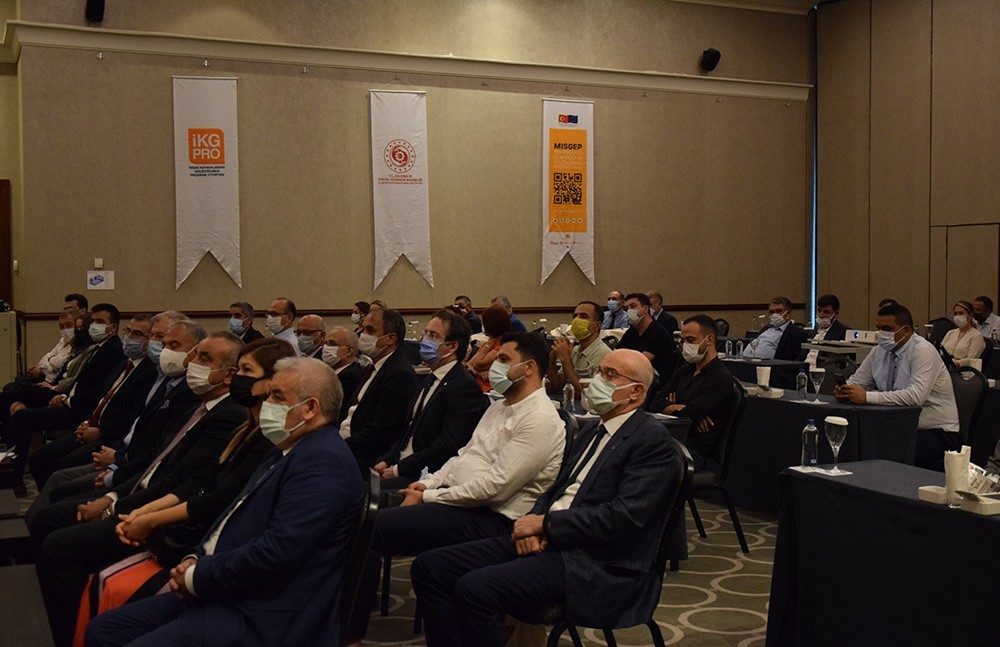
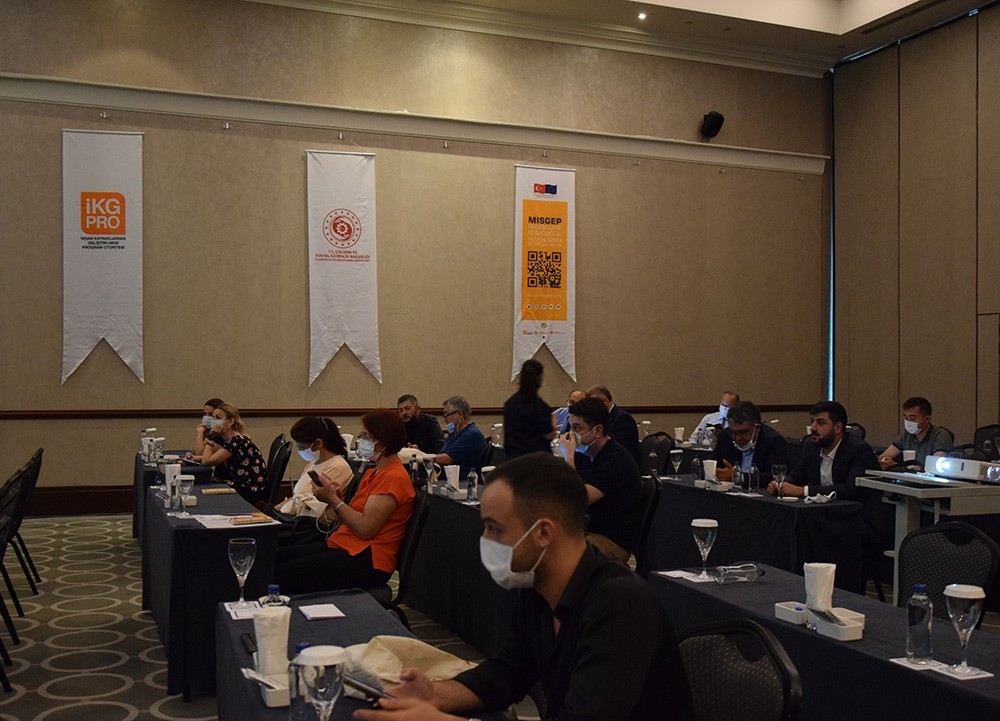
Within the scope of MİSGEP, implemented by the Directorate General of Occupational Health and Safety (İSGGM) and co-financed by the European Union and the Republic of Türkiye, the “MİSGEP Mining Sector Consultation Meetings,” aimed at improving occupational health and safety conditions in mining workplaces and increasing awareness in this field across 25 provinces in 7 regions of Türkiye, continued in Adana following the meeting in Karaman. The tenth meeting, organized to provide occupational health and safety training to employers and workplace representatives, was held in Adana on July 13. The event was attended by Adana Deputy Governor Muzaffer ŞAHİNER, Director General of Occupational Health and Safety Cafer UZUNKAYA, representatives from various public institutions, senior executives from mining enterprises, and NGO representatives from the Adana region.
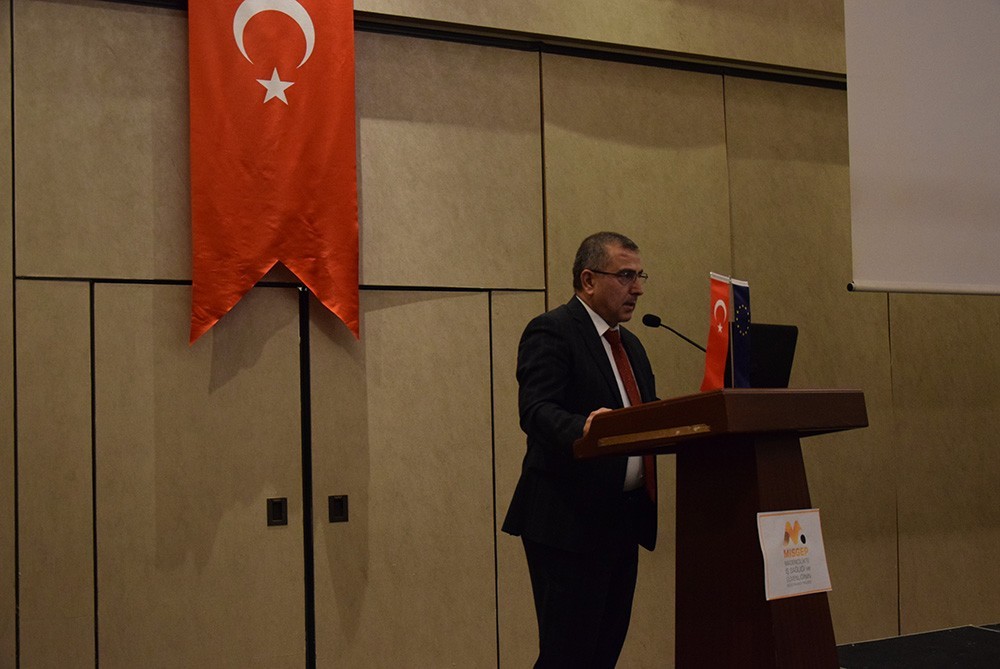
In his opening remarks, Adana Deputy Governor Muzaffer ŞAHİNER stated, “We thank our Director General for organizing this meeting in Adana. We hope that MİSGEP will be a beneficial and auspicious project for our province and all of Türkiye, and I extend my gratitude to everyone who contributed.”
Director General of Occupational Health and Safety Cafer UZUNKAYA emphasized that occupational health and safety should not be understood merely as the absence of accidents or fatalities, but rather as ensuring that employees work in a happy, prosperous, healthy, and dignified environment. He added, “Workplaces where individuals are happy will contribute more effectively to production.”
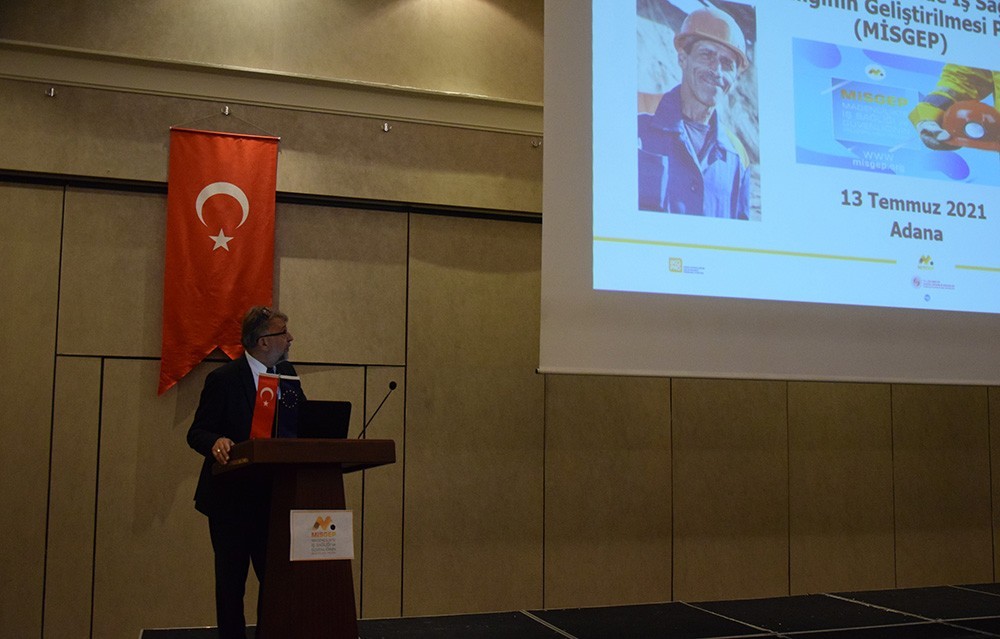
During the consultation session, MİSGEP Team Leader Gökhan GÜLER and Lecturer Dr. Hacer KAYHAN provided participants with information on global examples of occupational health and safety practices in the mining sector, legal obligations related to mining and administrative fines, compensations following work accidents, the impact of unionization on occupational health and safety, pneumoconiosis as one of the most common occupational diseases in the sector, and the cost-benefit aspects of accident prevention. Participants’ feedback and opinions were gathered after each session topic.